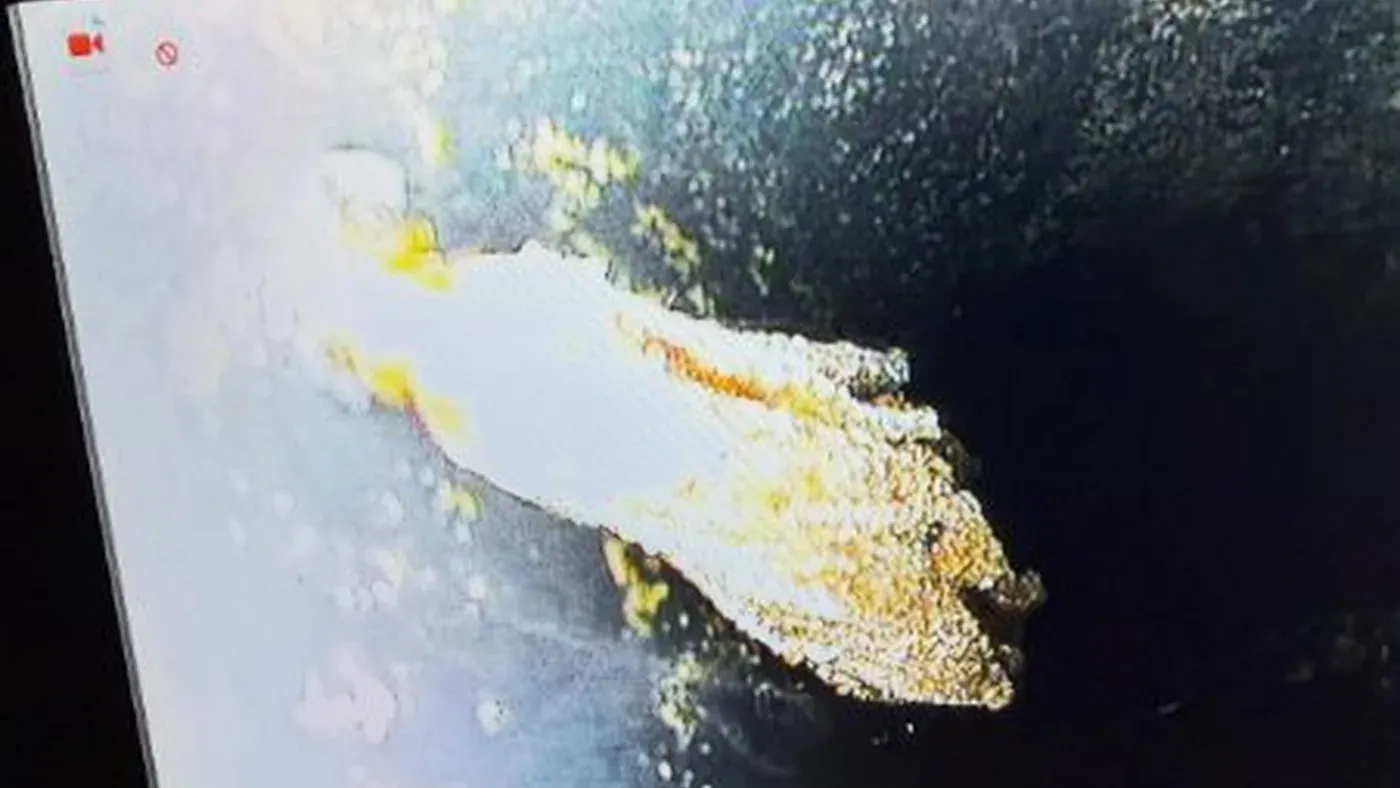
Emergency Sewer Line Repair in Aliso Viejo, CA: Backups, Camera Inspections and Who Owns the Lateral
In Moulton Niguel Water District territory, the homeowner owns the sewer lateral as far as the connecting wye, according to the district's construction standards. A backup that starts there is the owner's repair, not a utility call, and that changes what to ask first.
This page covers how to tell a lateral problem from a clogged branch, what a camera inspection should show and leave you holding, and how repair, trenchless lining and replacement are chosen.
Whose sewer line is it? The lateral, the wye and the district main
The lateral is the pipe that carries waste from the house to the sewer main under the street. It meets the main at a connection called the wye. Moulton Niguel's standards draw the line between owner and district at that connection: the lateral through the wye is the customer's, and the main beyond it is the district's.
| Part | Owner | Why it matters |
|---|---|---|
| Lateral from the house to the wye | Homeowner | A blockage or crack here is repaired at the owner's direction |
| The wye itself | Homeowner | Ask the plumber to say whether a problem is at or past the wye |
| The sewer main in the street | Water district | The district's responsibility; the plumber can tell you which side of the wye a blockage is on |
Aliso Viejo is served by two water districts, and these rules are Moulton Niguel's. Homes served by El Toro Water District follow that district's rules instead, which this page does not cover.
Source for the lateral rule
MNWD's construction standards and its sewer responsibility diagram set out who owns what.
Published by MNWD: its operations pages and the January 2019 construction standards. Checked October 2026.
Sewer backup: what to do in the first hour
- Stop using water. Do not flush, run the washer or dishwasher, or drain a tub. Every gallon you send down goes to the lowest open drain.
- Keep people and pets away from the affected area. Sewage carries bacteria. Wear gloves if you must handle anything, and keep children out.
- Note what is affected. A single fixture points to a branch. Several fixtures at once, or the lowest drain in the house backing up, points to the lateral.
- Call and say if sewage is visible. The dispatcher passes the details on, and a plumber who knows the situation arrives with the right equipment.
- Photograph the damage. A record of what was affected helps with any cleanup or insurance conversation.
Sewage on floors or flooring is a health hazard. Do not try to dry or clean porous materials yourself; the sewage backup cleanup section of the water damage page explains what that work involves.
Most backups that start as a slow drain and end with water in the tub came from a clog that was ignored. If only one fixture is affected, the page on clearing a single clogged fixture covers the branch-level fix before it becomes a lateral problem.
Sewer cleaning and rooter service: when a cleaning is enough
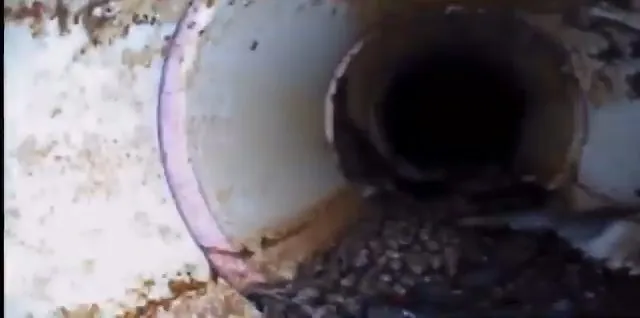
A cable or a jet clears a lateral that is blocked by grease, paper or roots, and for a line in good shape that is the right fix. The question is what caused the blockage. If the camera shows a clean, intact pipe with a plug of waste, cleaning is the repair. If it shows roots entering at a joint, a sag that holds water or a crack, cleaning is only a pause.
Ask the plumber to tell you which one it was. A line that is cleaned without being inspected will be cleaned again. Rooter service on a lateral often runs a heavier cutter head than a fixture cable uses, and it clears roots from the pipe's inside surface while leaving the point where they entered. Ask how far the cable ran, whether the line was flushed afterward and whether a second camera pass confirmed it is clear. A line that backs up again within weeks is describing a defect.
Sewer camera inspection: what to ask to see and keep
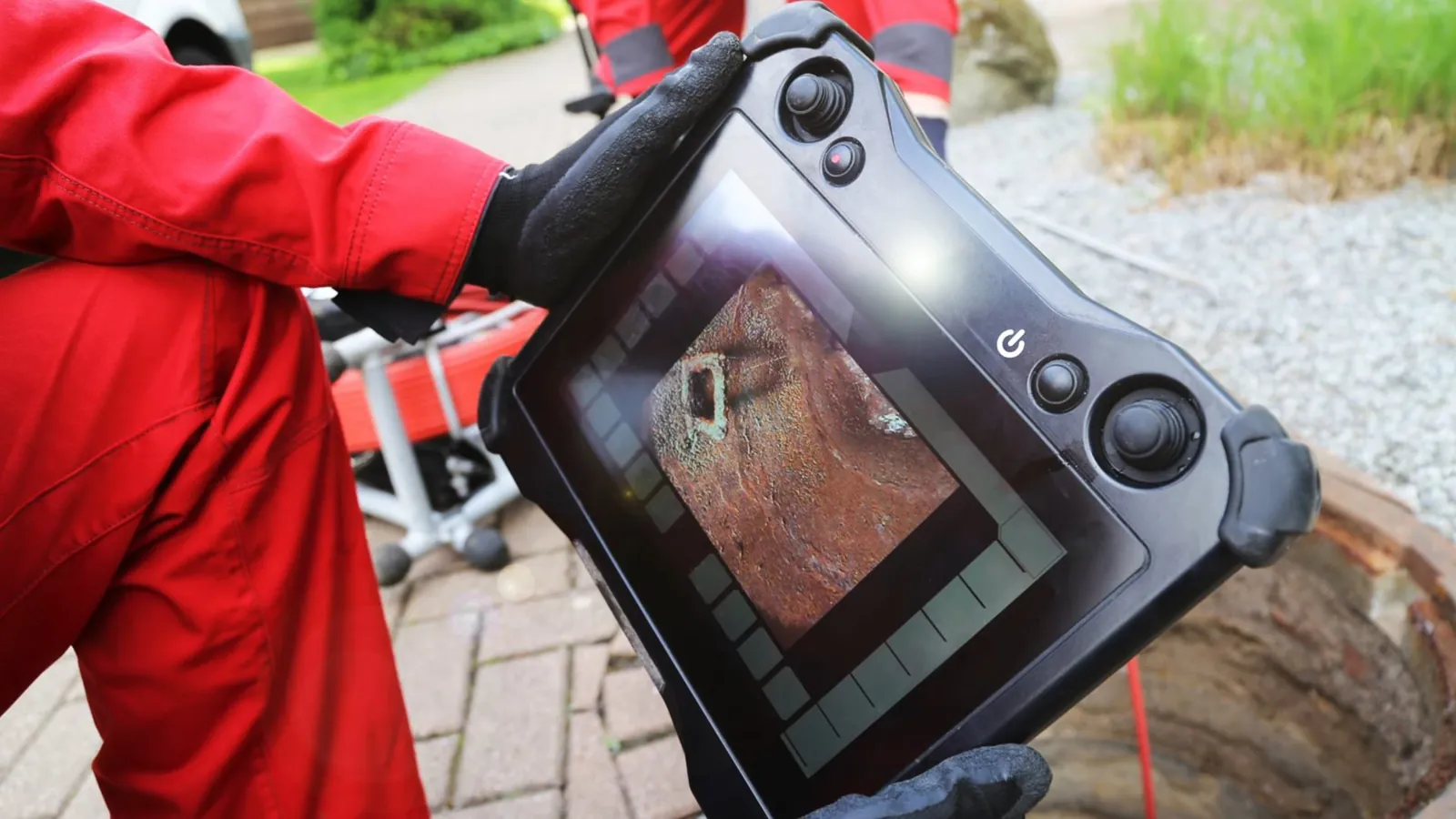
A camera inspection is the step that turns a guess into a finding. A small camera on a cable travels the lateral and records the pipe from the inside, and a locator at the surface marks where problems are. The value is in what you are given afterward.
- A recording or screenshots of any defects, not only the plumber's description.
- The location of each problem, measured from the cleanout or the house, and where it sits relative to the wye.
- The pipe material and condition where the camera saw it.
- A statement of whether the line is cleared, needs repair or needs replacement, and why.
- Whether the inspection was before or after cleaning, because roots and grease hide defects.
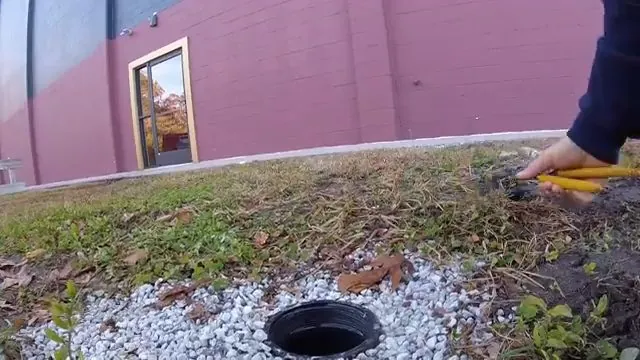
A camera locate also tells you where the lateral runs, which matters before any digging. A cleanout, the capped access pipe outside the house, is where the camera usually goes in, and it is worth knowing where yours is before an emergency.
Sewer line repair or replacement: how the choice is made
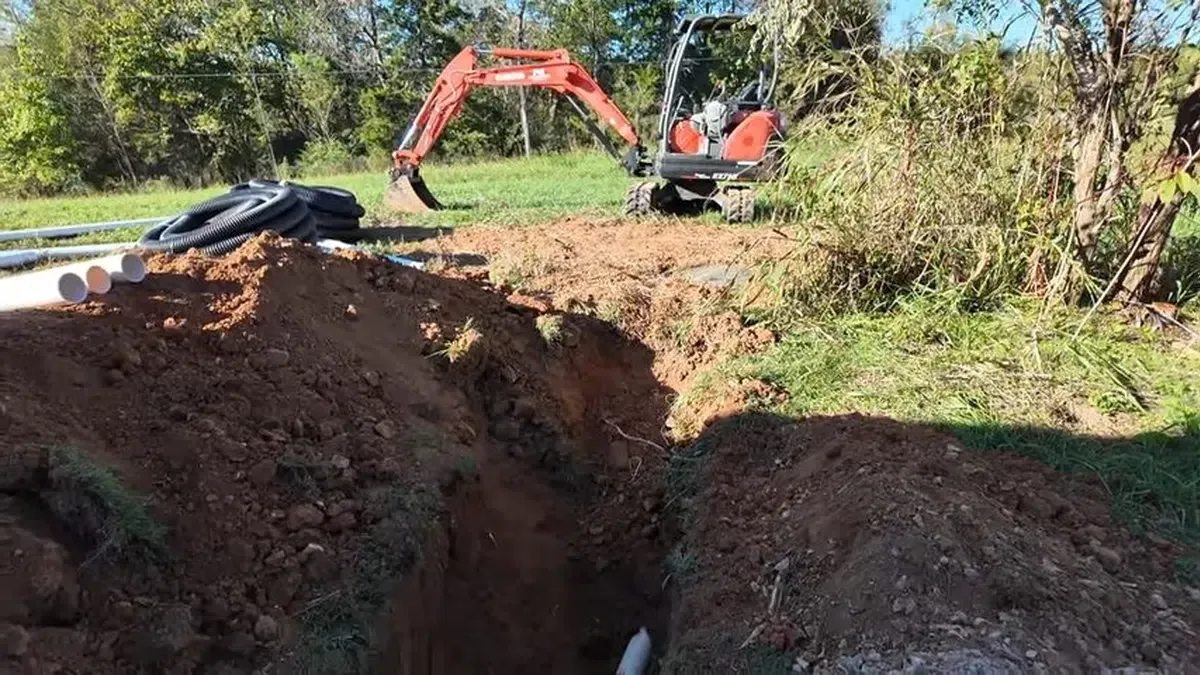
A single failed joint or a short cracked section can be repaired by exposing and replacing just that length. A lateral with several defects, a long sag or widespread cracking is a replacement. The camera finding decides, and the written scope should name the footage involved, not just the word replacement. A new sewer line installation, whether it replaces the lateral or extends it, follows the same logic.
Ask the written scope to say what is being replaced, from where to where, in what material, what happens to the old pipe and who restores the surface above it. If the line passes under a driveway, a slab or landscaping, ask how that shapes the options; replacement there involves more disruption than the pipe itself, so how the work is done matters as much as the material. Open trenching is direct and exposes the whole pipe, but it removes whatever is above it. That is the reason trenchless methods exist.
Trenchless, lining and pipe bursting compared with open trench
| Method | What happens | Tends to fit | Ask about |
|---|---|---|---|
| Spot repair by excavation | Dig to the defect and replace that length | One short failure, easy access | How much ground and surface is disturbed |
| Pipe lining | A resin liner is cured inside the existing pipe | Cracks or joint leaks in a pipe that is otherwise round and continuous | Whether the camera shows the pipe suited to lining, and the liner material |
| Pipe bursting | A new pipe is pulled through as the old one is broken apart | A whole lateral that has failed, with limited surface access | Access pits, and what happens to the old pipe |
| Open-trench replacement | Excavate and lay new pipe along the line | Long damage or a badly shifted line, open ground above it | Surface restoration and who does it |
None of these is the default. Before pipe relining, the line is cleaned and checked by camera so the liner cures in a clear, intact pipe. The reason a method suits your pipe and your yard should come from the camera finding, and the quote should say how the surface is handled afterward.
Sewer smells, cleanouts and old pipe materials
- Sewer smell. A dry trap, a failed wax ring or a vent problem causes most smells. If the smell persists and the traps are full, a crack in the lateral or a failing joint is possible, and a camera finds it.
- Cleanout. The access pipe outside the house. Know where it is, and do not remove the cap if sewage is standing in it.
- Pipe material. Clay, cast iron and a fiber pipe called Orangeburg are found in older homes and fail differently from plastic. The camera shows what your lateral is made of; do not assume it.
Digging, permits and sewage cleanup
Digging for a lateral repair has two checks. First, DigAlert: the city's handout expects contractors to notify it two working days ahead, so ask whether that has happened. Second, the permit: the city's fee schedule penalizes work begun without one, so ask the plumber, or Building and Safety, whether this repair needs a permit and who is pulling it, and get the number in writing.
Source for the dig notice and permit fees
Both points come from the city's Building and Safety division.
City of Aliso Viejo Building and Safety, handouts and fee schedule, FY 2026-27. Checked October 2026.
Sewer work is one entry in a longer list; the homepage index of services has the rest.
Sewer line questions
Why does my house smell like sewage?
Common causes are a dry trap in a rarely used drain, a failed seal under a toilet or a vent problem. If traps are full and the smell stays, a crack or failing joint in the lateral is possible. A camera inspection finds it, and a plumber can check the traps first.
Who do I call for a clogged sewer line?
Tell the dispatcher which fixtures are backing up, and a plumber who works on sewer laterals is sent. A main-line blockage in the street, past the wye, is the water district's, and the plumber can tell you which side the blockage is on.
What should I do during a sewer backup?
Stop using water, keep people and pets away, and photograph what is affected. Call and say whether sewage is visible. Do not try to clean porous materials yourself.
Can a plumber find where my sewer line runs?
Yes. A camera on a cable travels the line and a locator at the surface marks it. That tells you where the lateral is before any excavation, and shows any problems along the way.
A master bath trap will not hold water and there is a slow leak and a smell. Is that the sewer line?
It can be a trap or a drain connection under the bath, not the lateral. A plumber checks the trap and the connections first, and uses a camera if the smell and slow drainage continue. Ask for a camera look if more than one fixture is affected.
Sewage coming up or draining slowly everywhere?
Call the dispatch line, say which fixtures are affected and whether sewage is visible. The call is routed to a plumber serving Aliso Viejo.
Call (949) 209-5456