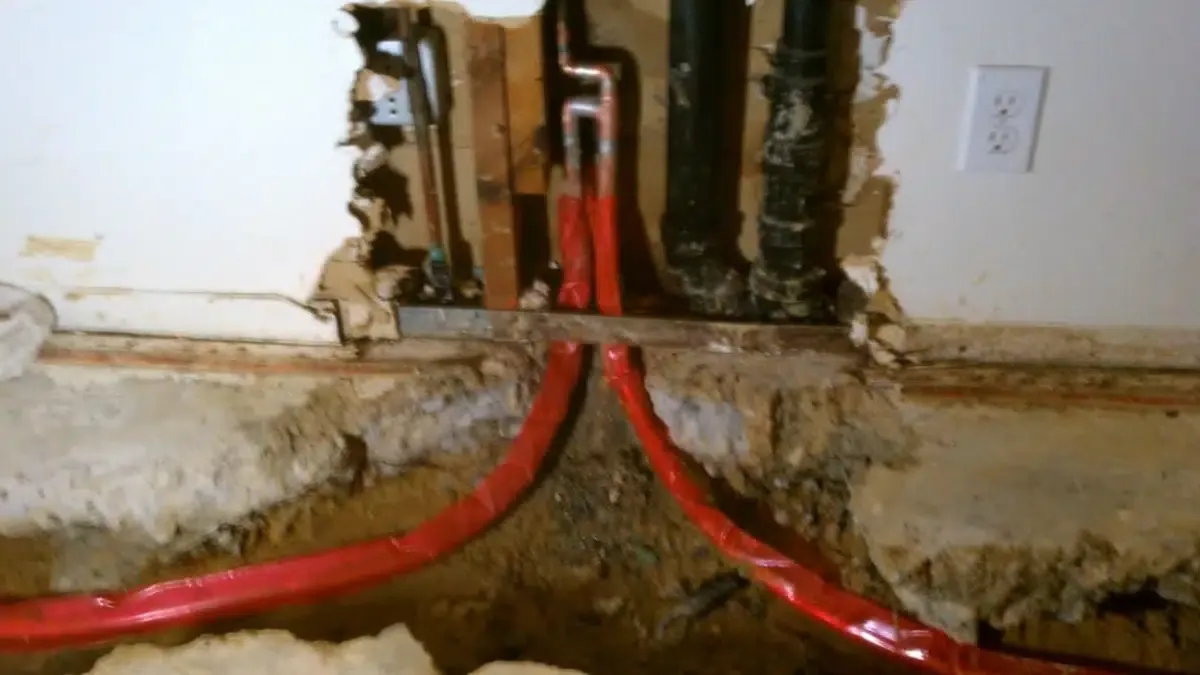
Emergency Repiping in Aliso Viejo, CA: Pinhole Leaks, Burst Pipes and Whole-House Replacement
The first pinhole leak in a pipe is a repair. The third one in the same line is information. The decision this page is built around is where a leaking house falls between those two: fix the pipe that failed, replace the run it belongs to, or replace the whole system.
Below, in order: what to do when a pipe bursts, when a repair is the right answer, what copper and other materials do as they age, how a section differs from a full repipe, and what goes into a written repipe scope.
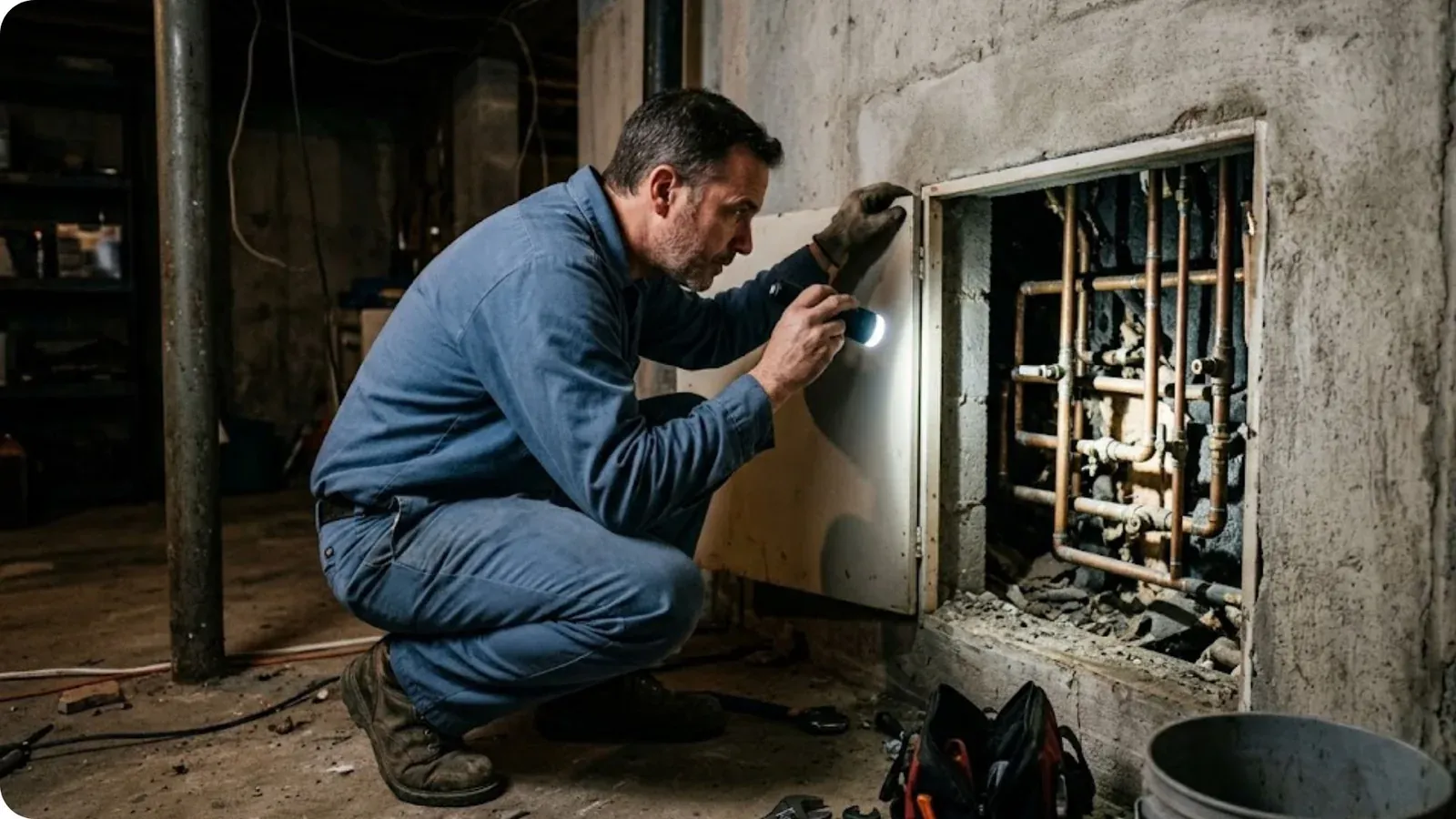
Burst pipe: the first minutes
A burst pipe is the case where speed matters most, and the order of the steps matters more than the speed. Water is moving, and every minute it runs adds to the damage.
- Shut the main house valve. It is the valve after the meter, and it belongs to the homeowner. Turn it gently; an old valve can break.
- Open a low faucet and a high one. That drains the pipes and relieves pressure, which slows the flow at the break.
- Keep electricity clear of the water. If the water is near outlets, fixtures or the panel, stay clear and let an electrician or the plumber advise.
- Note where it broke and what it is made of. A photo helps the plumber arrive with the right fittings.
- Call and say that a pipe has burst. The dispatch line passes the call to a local plumber.
A pipe that has broken suddenly is different from one that has been weeping. The weeping kind is covered in the sections that follow, and once the water is stopped, drying a soaked floor falls under cleanup after a burst pipe.
Pipe repair: when a patch is the right answer
A single failure in pipe that is otherwise in good condition is a repair. Cutting out the damaged length and splicing in new pipe is routine on copper, PEX and CPVC, and a cracked elbow or fitting, like the one a caller described spraying water, is among the simplest cases. The repair holds if the pipe around it is sound.
The question to ask is what the pipe on either side of the cut looks like. Pipe that is thin, pitted or scaled will fail again nearby, and a repair that is made in the middle of failing pipe is a short-term fix. Ask the plumber to show you the cut section, and to say what the remaining pipe looks like.
Call the dispatch line: (949) 209-5456
Do not try to cut or cap a broken pipe while it is under pressure. Close the main house valve first, turn old valves gently because they can break, and keep clear of wet electrical equipment.
Copper pipe leaks and pinholes
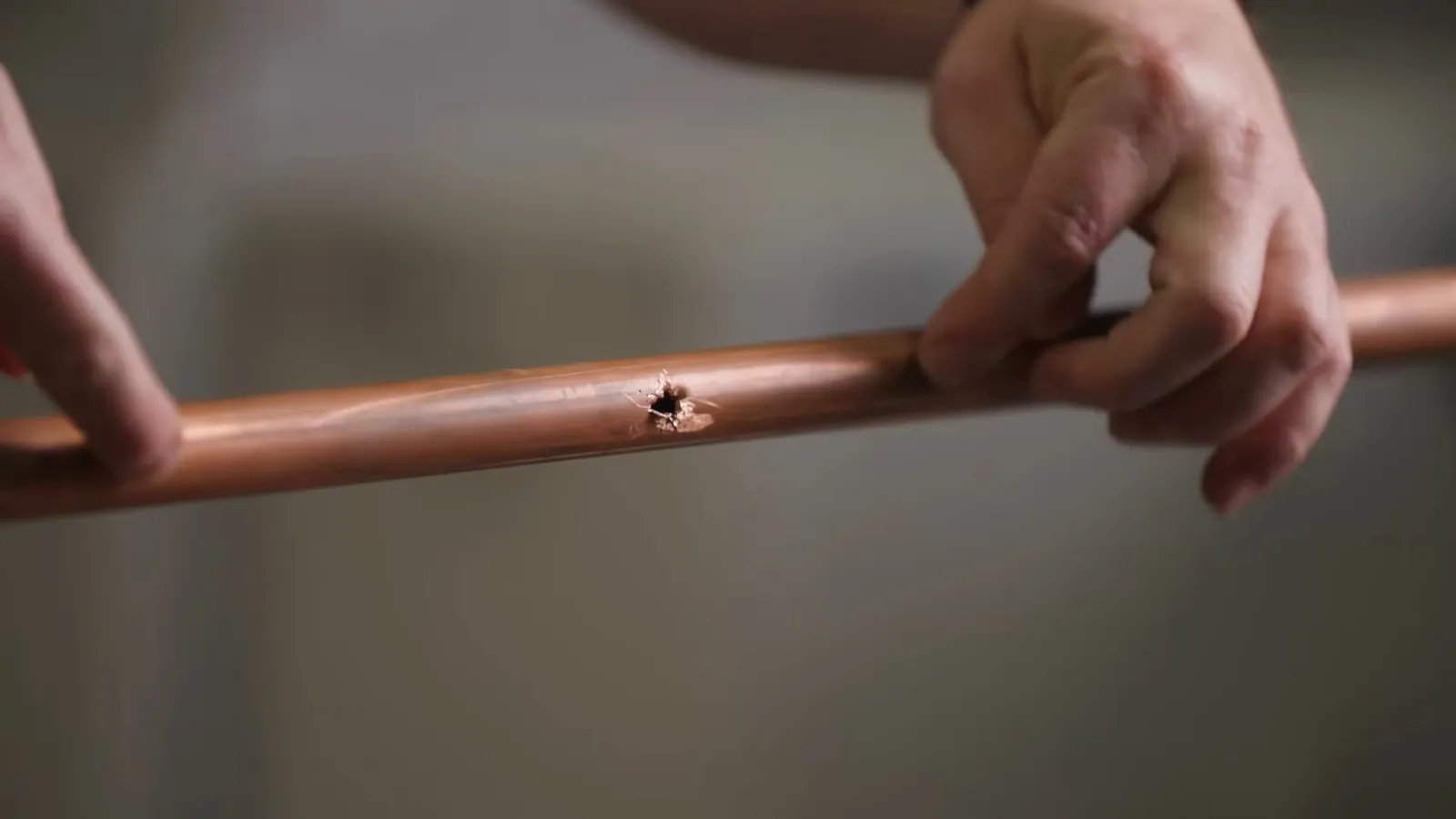
Copper is long-lived, but it can develop pinhole leaks, tiny holes that wet a wall or stain a ceiling before anyone sees a puddle. The causes vary: water chemistry, flow, installation and age all play a part, and a plumber cannot always say which applies to your house. What matters to the owner is the pattern.
One pinhole in one run, with the rest of the pipe in good shape, is a repair. Pinholes in several places, or a second and third within a short period, point to a system problem. Moulton Niguel's hard water, at a 2023 average of 13.3 grains per gallon, is not by itself proof of cause, but ask the plumber whether the inside of the removed pipe shows scale or pitting, and what the finding suggests about the rest of the run.
Source for the water hardness figure
MNWD's 2023 report gives the average used here. It covers the district's water and not necessarily every home in the city.
Figure from MNWD's 2023 report, checked October 2026.
Pipe replacement: a section, a run or the whole house
Replacing a pipe is not one decision. A short section, a full run, such as the supply to one bathroom, and the whole system are three different scopes. The leaking section is the smallest job and the most likely to be followed by another failure elsewhere; the whole system is the largest job and the one that ends the pattern.
Ask for the scope to say exactly what is being replaced and from where to where. A quote for a repair that says nothing about the rest of the run is a repair, and an owner who has had several leaks should ask for a second quote that covers the run.
Whole-house repiping: what the work involves
A repipe replaces the supply lines that carry water to the fixtures, from the main valve to the heater, the bathrooms, the kitchen and the laundry. Old pipes prone to leaks are the usual reason, and the signs are pinholes, stains and falling pressure. The old lines are abandoned or removed, and new lines are run, usually through walls, the attic and, where the house has them, the crawlspace. Drywall is opened at access points and patched afterward.
| Material | What to know | Ask the plumber |
|---|---|---|
| Copper | Long track record; can develop pinholes | Type of copper and the joining method |
| PEX | Flexible plastic; fewer joints; common in repipes | The fittings used and how it is run |
| CPVC | Rigid plastic for hot and cold supply | Why it was chosen for this house |
| Galvanized steel | Found in older homes; corrodes from the inside | Whether any remains and where |
| Polybutylene | Gray plastic installed in many homes from the late 1970s to the mid-1990s; known for failing | Whether any is present, and if so, a replacement plan |
The material is the plumber's recommendation, but it should come with a reason, and no material claim should be made about your house without having been seen. Living in the house during the work, patching and the number of days the water is off are all worth getting in writing. For a leak under the floor, see leaks beneath a slab, which may end in a reroute instead of a full repipe.
Permits, inspection and the written scope
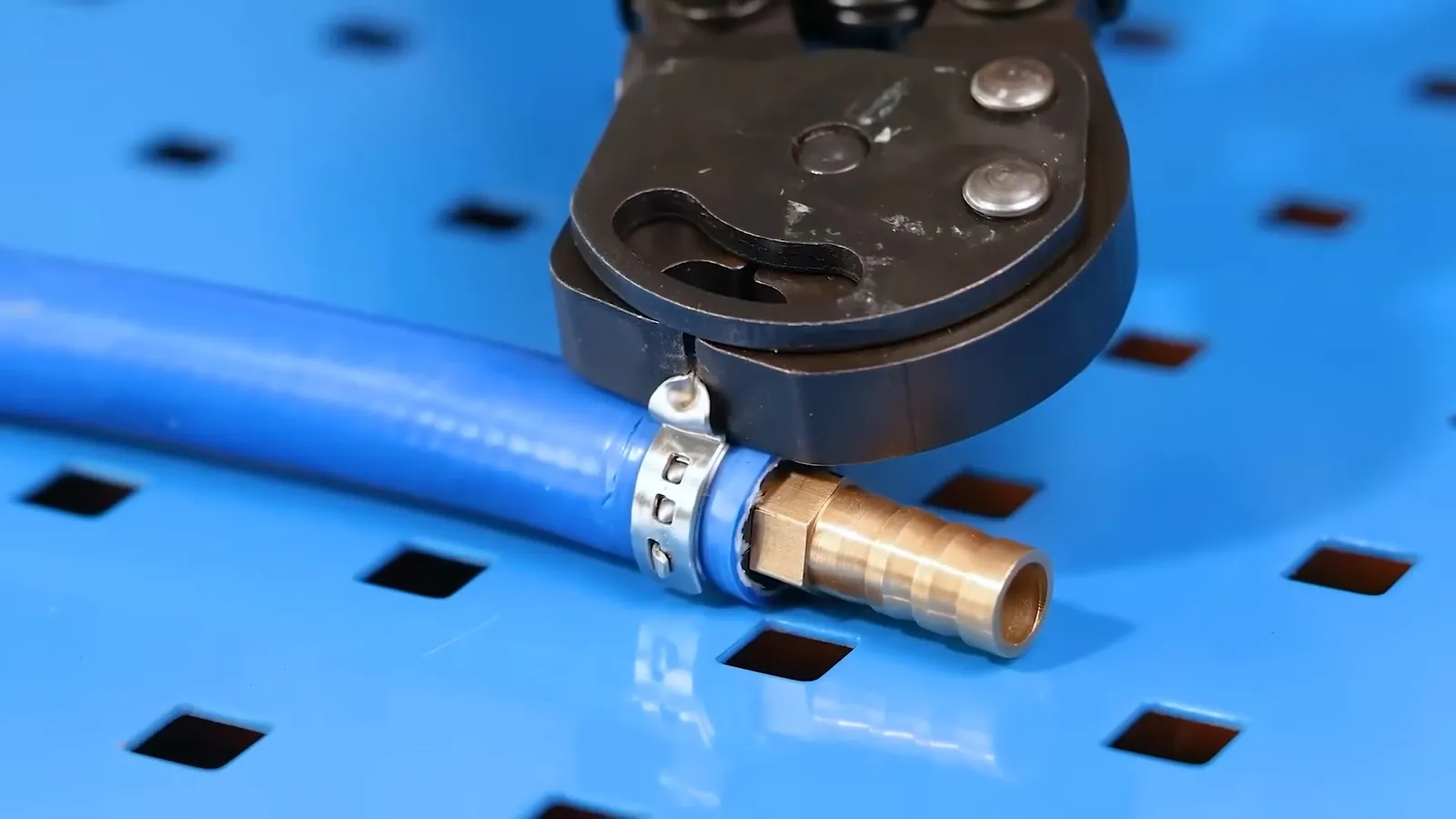
A repipe is large enough that the permit question should be settled first. The city's fee schedule doubles plumbing permit fees for work begun early, and its published material does not say whether a repipe needs a permit, so ask the plumber whether it does and who pulls it, and have the number written on the quote. A written repipe scope names the materials, the fixtures covered, the access and patching, the permit, and what is and is not included.
Source for the permit fee rule
The city's fee schedule is published with its applications and handouts.
Fee schedule: FY 2026-27, linked from the city's handouts page. Checked October 2026.
Galvanized pipe, and pipes under the slab or underground
Galvanized. Galvanized steel supply pipe corrodes from the inside, which narrows it and reduces pressure before it leaks. Rusty water at the tap and low flow are the signs. Where it is present it is usually a repipe candidate, and a plumber can confirm what the house has.
Under the slab or underground. Supply lines under a slab, or buried in the yard, are the hardest to reach, and a leak there is often found by its effects, a warm floor or a rising bill. A plumber can locate it, and the choices are a spot repair, a reroute through the walls or attic, or replacement. DigAlert is notified before any excavation.
Other materials you may meet
- PEX is flexible plastic supply pipe, common in repipes.
- Cast iron, PVC and CPVC. Cast iron is found as drain pipe in older homes; PVC is a rigid plastic used for drains, and CPVC a rigid plastic for supply.
- Polybutylene supply pipe has a history of failures; ask whether any remains in your house.
- Pinhole leaks in any metal pipe are a sign to look at the whole run, not just the hole.
Repiping is the largest pipe job a house sees. Smaller work is covered across the homepage list of plumbing services.
Repiping and pipe repair questions
Can cast iron, PVC and CPVC pipe be repaired or replaced?
Yes. Each can be cut out and spliced, though the fittings and methods differ. Cast iron is heavy and usually found in drains, PVC is common in drains and CPVC in supply lines. A plumber can identify what the leaking pipe is and recommend a repair or a replacement section.
What should I do when a pipe bursts?
Shut the main house valve, open a low faucet and a high one to relieve pressure, keep people and electricity clear of the water, and call. Note where the pipe broke and what it is made of; a photo helps the plumber arrive with the right fittings.
Are pinhole leaks a reason to repipe?
One pinhole in an otherwise good pipe is a repair. Several, or a second and third within a short time, point to a system problem, and a repipe becomes worth pricing. Ask the plumber what the inside of the removed pipe looked like.
Should I replace galvanized pipe?
If the house still has it, usually yes. Galvanized pipe corrodes from the inside, narrows and loses pressure before it leaks. A plumber can confirm what the house has and where.
Can pipes under the slab or underground be repaired?
Yes. A plumber locates the leak first with listening equipment, and the choices are a spot repair, a reroute through the walls or attic or replacement. Ask which option fits, and how the floor will be patched.
Pipe leaking, or leaking again?
Call the dispatch line and say where the leak is and how many there have been. The call is routed to a plumber serving Aliso Viejo.
Call (949) 209-5456