
Emergency Gas Line Repair in Aliso Viejo, CA: Gas Smells, Buried Pipe and Appliance Hookups
The common belief is that a gas smell means calling a plumber. It does not. The first call goes to the gas utility or to 911, from outside the house, and a plumber comes after the utility has made the area safe.
This page starts with that, then covers what a plumber does on a gas line: repair, new installation, replacement of old pipe, and appliance hookups. It also lists the questions to ask before any gas work is approved.
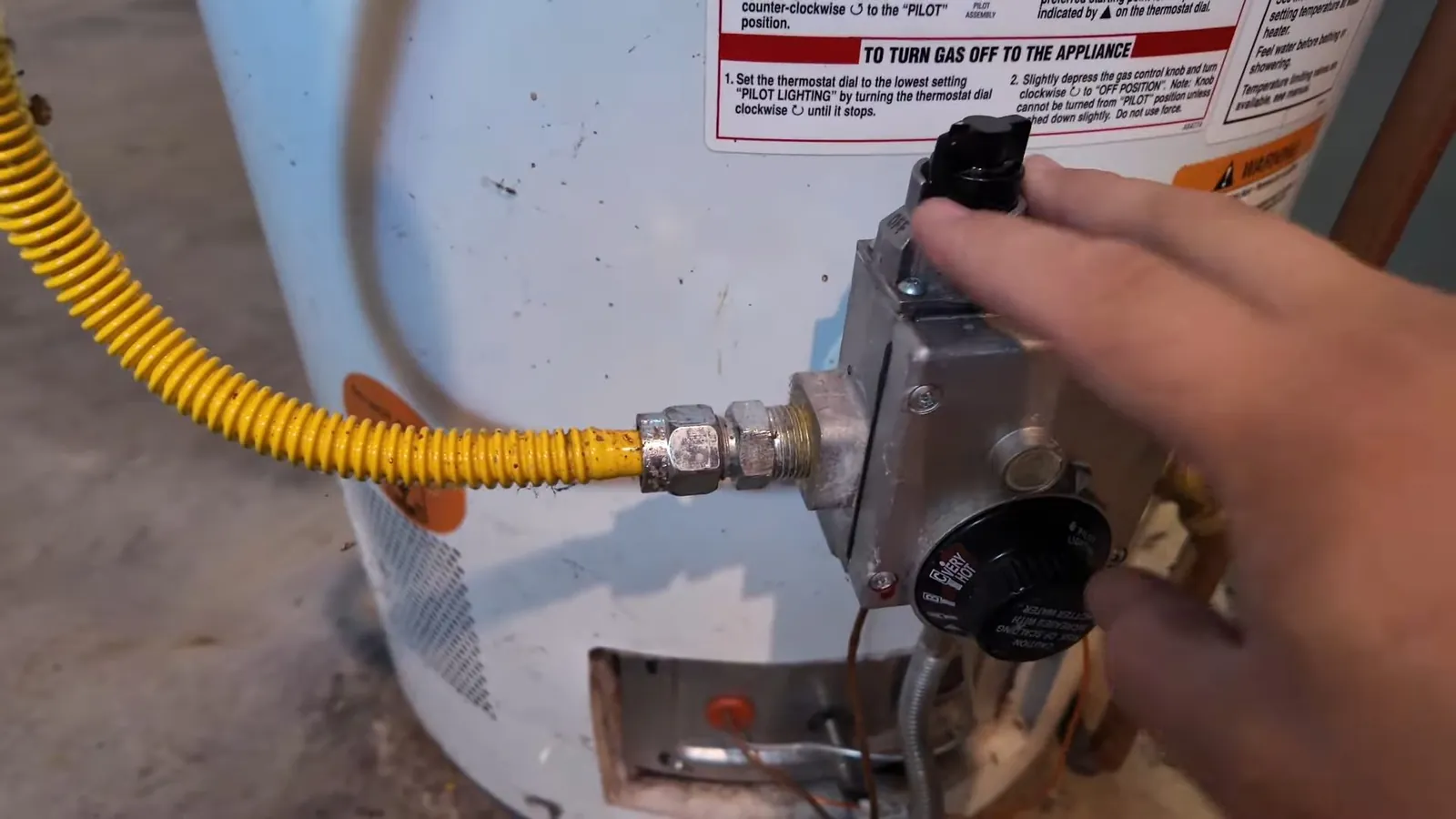
Leave the home with everyone in it, without switching lights or appliances on or off. From outside, call Southern California Gas Company or 911. Do not look for the leak, light anything or try to shut off gas lines yourself. Southern California Gas Company serves Aliso Viejo.
A gas smell outside or inside: what to do and what not to do
A rotten-egg smell near the meter, along a wall or in the yard means gas may be escaping. Outdoors is no safer a reason to wait than indoors, because gas can collect near a building and move toward it. The utility treats a smell as an emergency and the right response is the same inside and out: get away, then call.
- Do not use a phone, a lighter or a switch inside the area where you smell gas.
- Do not try to find the leak with a flame or by soap-testing it yourself.
- Wait for the utility to say the area is safe before anyone goes back in.
- Tell the plumber about the smell when you call, so repairs begin only after the utility has cleared the site.
The utility finds the leak and makes it safe. A plumber then repairs the piping on the owner's side, and the gas water heater problems page covers the pilot, burner and thermocouple on a heater, which can also be the source of a smell.
Gas line repair: what a plumber does on the owner's side
After the utility has dealt with the emergency, a plumber with the right license repairs the piping from the owner's side of the meter onward. The work is a repair of a leaking joint, a corroded section or a failed connection, followed by a pressure test to prove the line holds. Gas leak detection on the owner's piping is done with a pressure test and a detector, and a plumber does it once the utility has cleared the site. Without that test, a repair is not finished.
The Contractors State License Board lists gas piping from the owner's side of the meter under its C-36 plumbing classification, along with other work. Ask for license details before the work begins, and ask what test was run and what the result was. A written note of the test is part of the record you want.
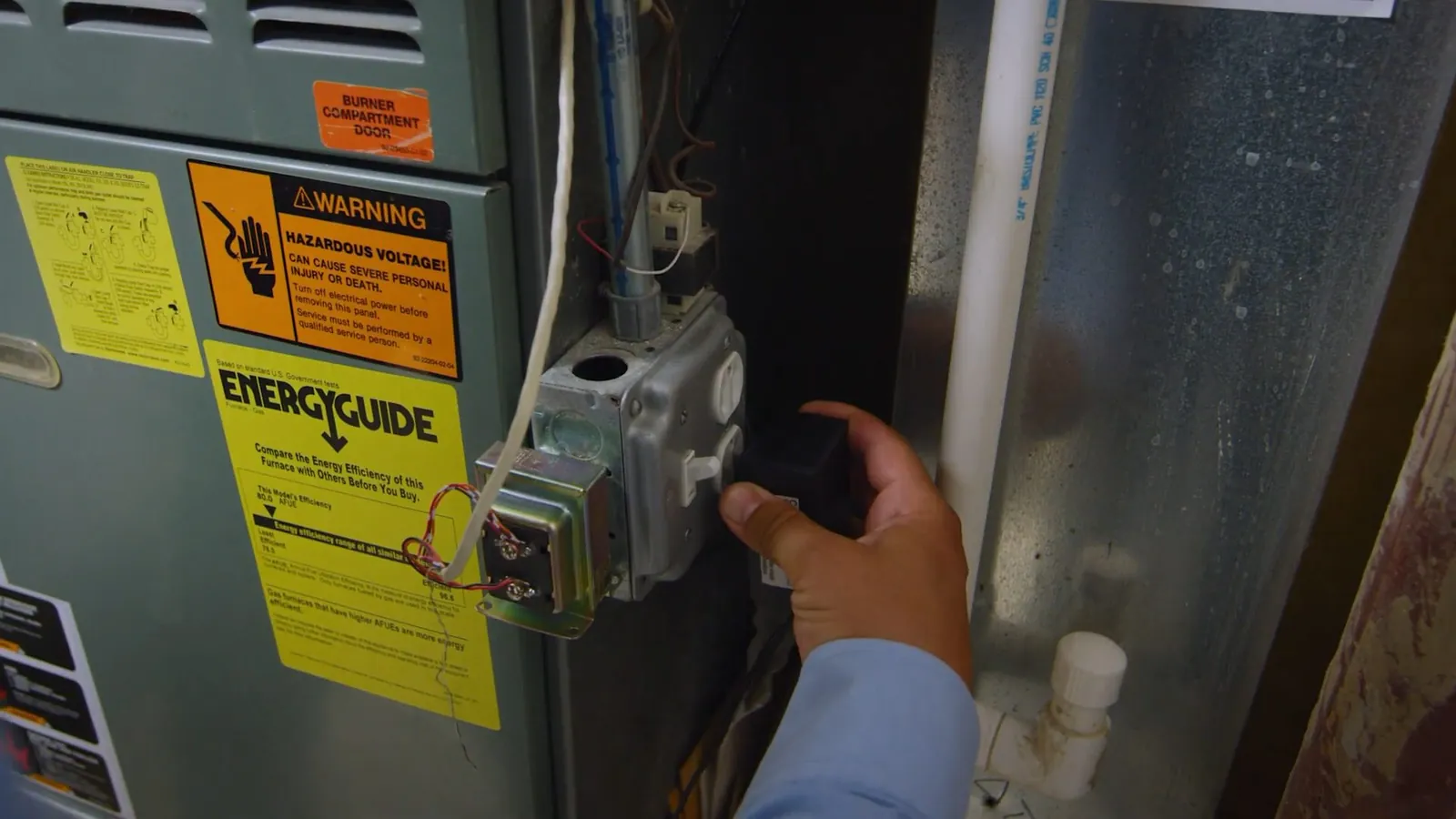
Gas line installation: new lines, extensions and appliance hookups
A new gas line is a plumbing job with three parts: the piping from the meter or an existing branch to the appliance, a shutoff valve at the appliance, and a pressure test before anything is lit. The common reasons to install one are a gas range, a dryer, a fireplace, an outdoor grill, a pool heater or a generator. A caller who wanted a grill connected is describing a hookup, and it is a short job when a gas line is already near the spot.
| Job | What it involves | Ask about |
|---|---|---|
| Range or dryer hookup | A shutoff valve, a flexible connector and a leak test | Whether the existing line is large enough |
| Fireplace or insert | Piping to the unit, a valve and the manufacturer's venting rules | Who handles the venting and the inspection |
| Outdoor grill or fire feature | A line to the patio, often buried or run along a wall | Pipe material, depth and the test |
| Generator | A larger line sized to the unit's gas demand | The load calculation and the permit |
| Propane | A separate system with its own regulator and tank | Whether the plumber services propane at all |
A new appliance can need a larger line. That is common after a water heater or a range is swapped for a bigger model, and it is why a plumber checks the capacity of the existing piping before agreeing to a hookup.
Pipe replacement: black iron, CSST and buried lines
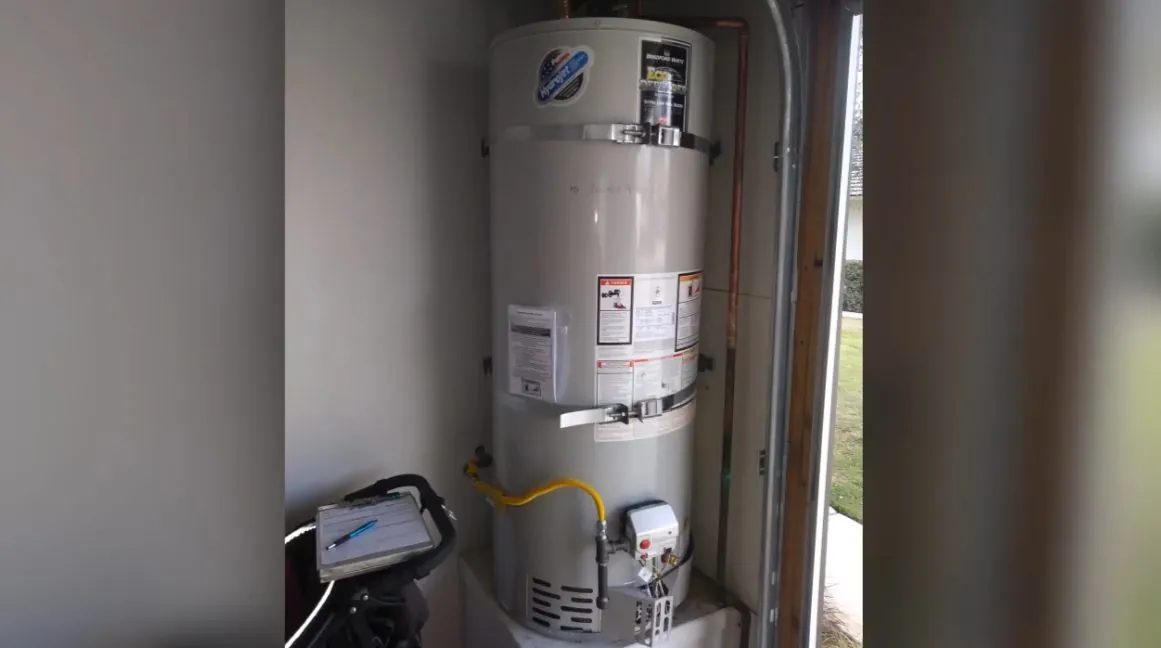
Gas piping inside a house is usually black iron or corrugated stainless steel tubing, known as CSST. Both can last for decades, and both can be repaired or replaced in sections. Underground, the piping has to resist corrosion, and the question to ask about any buried line is what it is made of and how it was protected.
What the city's handout says about buried gas pipe
In its pool and spa handout, the City of Aliso Viejo says that, because of high-sulfate soil, metallic gas pipe must not touch the soil unless it is factory coated. Polyethylene pipe needs a tracer wire. The line is tested at 10 psi for 15 minutes. That handout is written for pool and spa work, so it is a scope note and not a rule for every gas job, but the questions it raises apply to any buried line: what is the pipe made of, is it coated, and what was the test?
Pool and spa requirements, listed on the city's applications and handouts page. Checked October 2026.
Replacement after a heater swap is a common case. A new water heater can need a different connector, a different valve or a larger line, and a plumber should state that in the quote. If the question is about the heater itself, the heater replacement page covers the rest of the job.
Permits, inspection and who may do the work
Gas work normally involves an inspection, so ask whether the job needs a permit, who pulls it and when the inspection happens. The city's fee schedule charges double when plumbing work starts without a permit.
| Part of the system | Who works on it |
|---|---|
| The meter and the utility's lines up to it | The gas utility |
| Piping from the owner's side of the meter to the appliances | A licensed plumbing contractor within its classification |
| Appliance connections and shutoff valves | The plumbing contractor, with the appliance maker's instructions |
| Earthquake shutoff valves on the gas line | Within the plumbing classification, per CSLB |
Inspection and pressure testing are one-line questions worth asking on any job. What pressure was used, for how long and who witnessed it? A test result written on the invoice is a small thing to ask for. If digging is part of the job, DigAlert is notified before anyone excavates, and your plumber should say so.
Do you need a permit to cap a gas line, for example when an appliance is removed? Capping is gas work like any other, so the same permit and inspection questions apply. Who runs gas lines in a house? The utility runs its lines up to the meter, and a licensed plumbing contractor runs the piping inside and around the house. Who fixes a gas leak depends on where it is: the utility on its side of the meter, and a plumber on the owner's piping once everyone is out of the area. Leak detection on gas fixtures is a pressure test, as described above. The homepage overview of services lists the other jobs a plumber takes.
Gas line questions
What should I do if I smell gas outside my house?
Treat it as an emergency. Move away from the area, phone Southern California Gas Company or 911 after you have moved clear, and do not use switches, lighters or anything that can spark. Wait for the utility to say it is safe before going back.
What should I do when I smell gas inside?
Leave at once with everyone in the home, without switching anything on or off. Phone the utility or 911 once you are outside. A plumber repairs the piping afterward, once the utility has made the area safe.
Can a gas fireplace or insert be connected to the gas line?
Yes, by a licensed plumbing contractor. The work is piping to the unit, a shutoff valve and a leak test, while the unit's venting follows the manufacturer's instructions. Ask who is responsible for the venting and the inspection before work is approved.
Why would gas piping need to be replaced after a water heater is installed?
A new heater can need a different connector, a different valve or a larger line than the old one. A plumber checks the capacity of the existing piping and states in the quote what changes, followed by a pressure test.
Gas work to repair, extend or connect?
If you smell gas, leave first and call the gas utility or 911. For repair or installation, call the dispatch line, which routes to a plumber serving Aliso Viejo.
Call (949) 209-5456